What is it?
Briefly: DMDM hydantoin is a preservative found primarily in cosmetic products. SkinSAFE will help you avoid most common sources.
In Detail: DMDM hydantoin is a formaldehyde-releasing preservative which kills fungi, yeast, and bacteria. Preservatives are a way to ensure that cosmetics and personal care products are safe. Without preservatives, products can spoil or become contaminated with bacteria.
How can I avoid it?
Skin contact with DMDM hydantoin is required for it to cause a rash. Discontinuation of exposure to products containing DMDM hydantoin should result in improvement and/or resolution of your dermatitis. The most common cause of allergic contact dermatitis
from DMDM hydantoin is cosmetics preserved with this chemical. By law, all products made in the U.S. for topical use have the ingredients listed either on the product package or the box that contains it, so check the labeling of ingredients in your cosmetics. If there is not enough information, ask your pharmacist or retailer, or contact the manufacturer directly. At work, request a Safety Data Sheet (SDS) to help identify potential sources of exposure.
Some individuals who are allergic to formaldehyde are also sensitive to DMDM hydantoin, since DMDM hydantoin releases small amounts of formaldehyde. DMDM hydantoin sensitive individuals may need to avoid products preserved with formaldehyde or formaldehyde-releasing agents, such as:
- Diazolidinyl urea
- Imidazolidinyl urea (Germall)
- 2-bromo-2-nitropropane-1,3-diol (Bronopol)
- Quaternium-15
- Tris nitromethane (Tris Nitro—an industrial biocide and is not usually found in skin, hair or cosmetic products)
Uses:
- Adhesives
- Antiarrhythmic and anticonvulsive agents
- Color photography/Copying paper
- Cutting oils
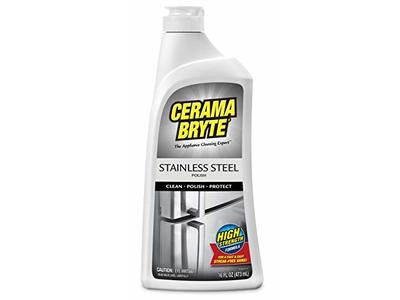
- Floor waxes
- Herbicides
- Inks
- Latex paints
- Polymers and plastics
- Pet products
- Textile sizing agents
- Topical medications (prescription and over the counter)
- Anesthetics
- Antiseptics
- Creams, ointments, solutions
- Foot and other powders
- Nasal decongestants
- Traditional Chinese medications
- Wound dressings
- Skincare products/Cosmetics
- Hair care products
- Hair Colorants/“Permanents-Relaxers”
- Soaps/Cleansers/Household detergents
- Shampoos/Conditioners
- Moisturizers/Lotions
- Baby soaps and cleansers
- Make-ups
- Powders/Sprays
- Shaving products
- Sunscreens
Other names for DMDM hydantoin:
- Glydant
- Dimethyloldimethyl hydantoin
- 1,3 dimethylol-5,5-dimethyl hydantoin
- Dantoin DMDMH
- DMDMH
- Mackstat DM
- Nipaguard DMDMH
- 1,3-Bis(hydroxymethyl)-5,5-dimethyl-4-imidazolidine-2,4-dione(+)
- 1,3-Bis(hydroxymethyl)-5,5-dimethyl-2,4-imidazolidinedione
- 1,3-Di(hydroxymethyl)-5,5-dimethylhydantoin
- Glycoserve-DMDMH
Potential cross-reacting/co-reacting substances:
- Formaldehyde
- Quaternium-15
- Imidazolidinyl urea
- Diazolidinyl urea
- 2-bromo-2-nitropropane-1,3-diol (Bronopol)
- Dimethylol dihydroxyethylene urea
MC4999-197











 Ingredient Database


 Allergen Filter