













 Sign In to Access Account


 Allergen Filter
 Allergen Filter


 BY GEORGIA GOULD
 FEB 02, 2026
 0
0
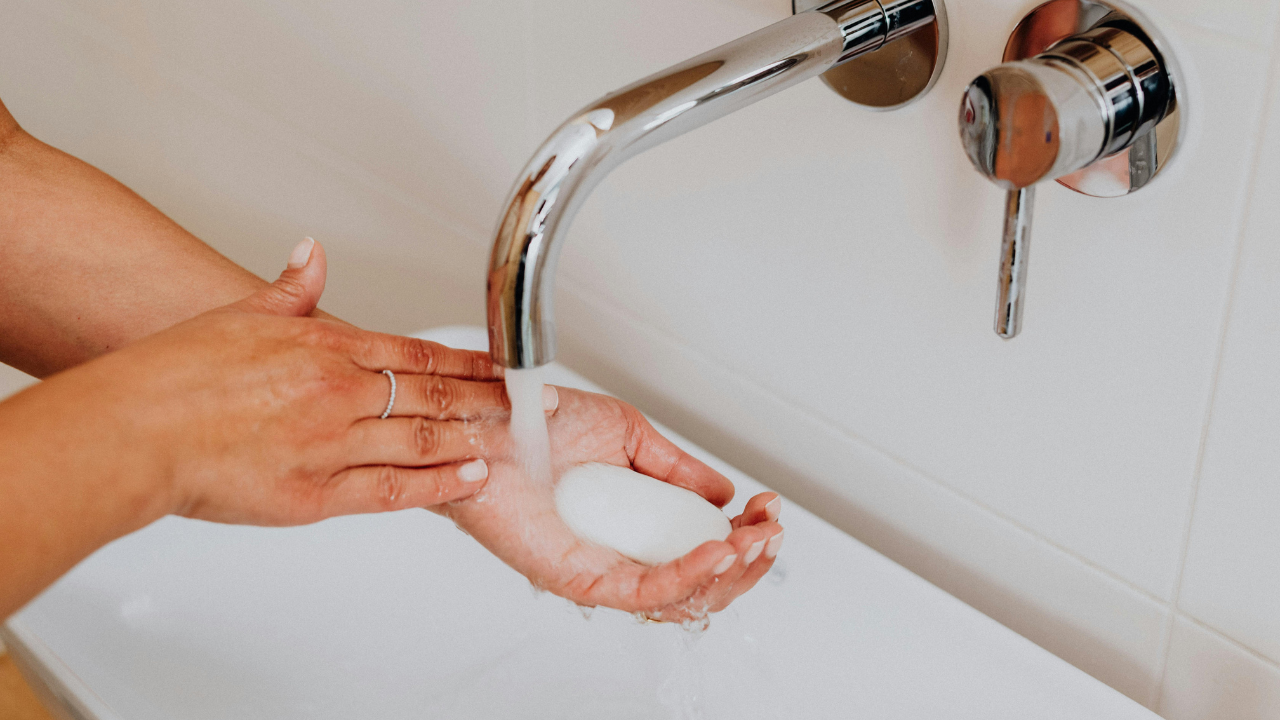
One of the most common questions we’re asked is "What’s the difference between irritants and allergens?" So let’s answer that, once and for all.
When your skin reacts negatively to a product or substance, it's natural to question why. Did you experience an allergic reaction? Or perhaps something has irritated your skin?
While the terms are often used interchangeably, irritants and allergens are quite different. So how can you tell what’s what? And is it really that important to know whether your skin rash is the result of some kind of irritation or if it’s a true skin allergy?
Read on for everything you need to know…
First Up, Let’s Talk About Contact Dermatitis
When we talk about allergens and irritants, it all relates to a skin condition called contact dermatitis. What is contact dermatitis? It’s an inflammatory eczematous skin disease – aka a type of eczema – (1) which, according to the National Eczema Association, affects around 15-20 percent of people worldwide.
While extremely common, the good news is that contact dermatitis is totally treatable; you just need to identify the cause/s, then learn how to avoid it or them.
And this is where irritants and allergens enter the equation.
Irritant contact dermatitis is the most common type of contact dermatitis. It’s responsible for around 80 percent of cases and occurs when an external stimulus directly irritates and injures your skin. Allergic contact dermatitis, on the other hand, is less common and is an allergic immune response to an ingredient or substance that has touched your skin and caused an inflammatory response.
IRRITANT CONTACT DERMATITIS: THE LOWDOWN
Skin irritants are substances – often ingredients in personal care products – that cause direct damage to the epidermis when applied to the skin. These irritating substances can affect anyone at any time, and they harm the skin’s protective barrier, leading to sensitization and nasty symptoms like inflammation, dryness, tightness, itchiness, stinging, or cracking of the skin.
The severity of your symptoms can vary depending on the concentration of the irritation, the duration of exposure, and the health of your skin. But know that symptoms will usually appear quickly and are typically limited to the exact area where the irritant made contact with your skin.
Common Skin Irritants
ALLERGIC CONTACT DERMATITIS: THE LOWDOWN
Allergic contact dermatitis is a whole different kettle of fish. It’s caused by an immune system response to a specific substance that your body has identified as a threat. Unlike irritants, which can cause damage to anyone with whom they come into contact, allergens can be harmless to some people, but can cause severe rashes only affecting individuals who have developed a sensitivity (allergy) to that particular substance.
You can also become allergic to a certain substance long after first exposure. In fact, many individuals find they can use a product or ingredient for years before developing an allergy (2).
If you do become sensitized to an allergen, you will experience things like itching and inflammation, sometimes immediately after use, but often days after the initial contact.
Common Skin Allergens
For a more comprehensive list of common allergens, found specifically in cosmetics, head here.
The Key Differences Between Irritant & Allergic Contact Dermatitis
Differentiating between irritant and allergic contact dermatitis is not easy, but it’s crucial to identify what’s affecting your skin so you know how to respond.
Here are the main differences to consider…
Irritant Contact Dermatitis | Allergic Contact Dermatitis |
|
|
|
|
|
|
|
|
|
|
How To Identify Your Contact Dermatitis
Consider the above points for starters. Did your reaction start immediately after cleansing your face, for example? Then it’s consistent with irritant contact dermatitis due to one or more ingredients in your face wash. If your symptoms appeared a day or two later, then it’s more likely to be an allergen. Also, think about whether or not you’ve used the product before – a new reaction to a product that you’ve used comfortably for a while is more likely to be allergic contact dermatitis.
When it comes to your symptoms, irritant and allergic contact dermatitis are uncannily similar. Both irritant and allergic contact dermatitis can be super itchy and cause inflammation, redness, and sometimes burning or stinging sensations.
If you’re struggling to identify the cause of your dermatitis, your best bet is to consult a physician for a professional diagnosis. They can perform a skin patch test to pinpoint the exact substance or substances that are triggering your reactions. They will also be able to help you come up with an effective treatment plan to not only help you avoid your no-go areas but also to potentially treat the affected areas. Keep in mind that patch testing to products that your skin touches is different from prick testing. Prick testing typically checks for allergies to things you breath (e.g., dust, pollen, mold) or eat (nuts, shellfish, berries). Prick testing generally is not helpful for people with dermatitis.
What You Can Do To Prevent Flare-Ups
Our SkinSAFE 100-rated products are free of the top 11 most common allergy-causing ingredients, so buy into these, and you’ll be well on the way to happier, calmer skin. But if you know your list of allergens from having been patch tested? Even better. Simply head over to our personalization page, where you can request a custom-created SAFE For Me code, which gives you instant access to every product that’s free of any allergen you’ve been advised to avoid.
There are many other ways to help protect your skin. Firstly, read your ingredient labels carefully and, when trying new products, always apply a small amount of the product on your skin first before introducing them gradually and one at a time. For irritant contact dermatitis, reducing the concentration or exposure time can help, but it’s not guaranteed. Keep in mind that when it comes to allergic contact dermatitis, complete avoidance of the substance is usually necessary once sensitization has occurred. One exposure to a substance to which you’re allergic can keep you broken out for a month!
Finally, prioritize maintaining a healthy skin barrier by regularly moisturizing with barrier repair creams and using gentle, fragrance-free products whenever and wherever possible – yes, even laundry detergents and household cleaning products. Fragrance is an extremely common skin irritant AND allergen and is widely thought of as the most common cause of contact dermatitis. Fragrance is absolutely NOT invited to the SkinSAFE 100 party, but still, you have been warned.