




















 Ingredient Database


 Allergen Filter
 Allergen Filter


 BY SKINSAFE MEDICAL EDITORIAL TEAM
 JUN 19, 2026
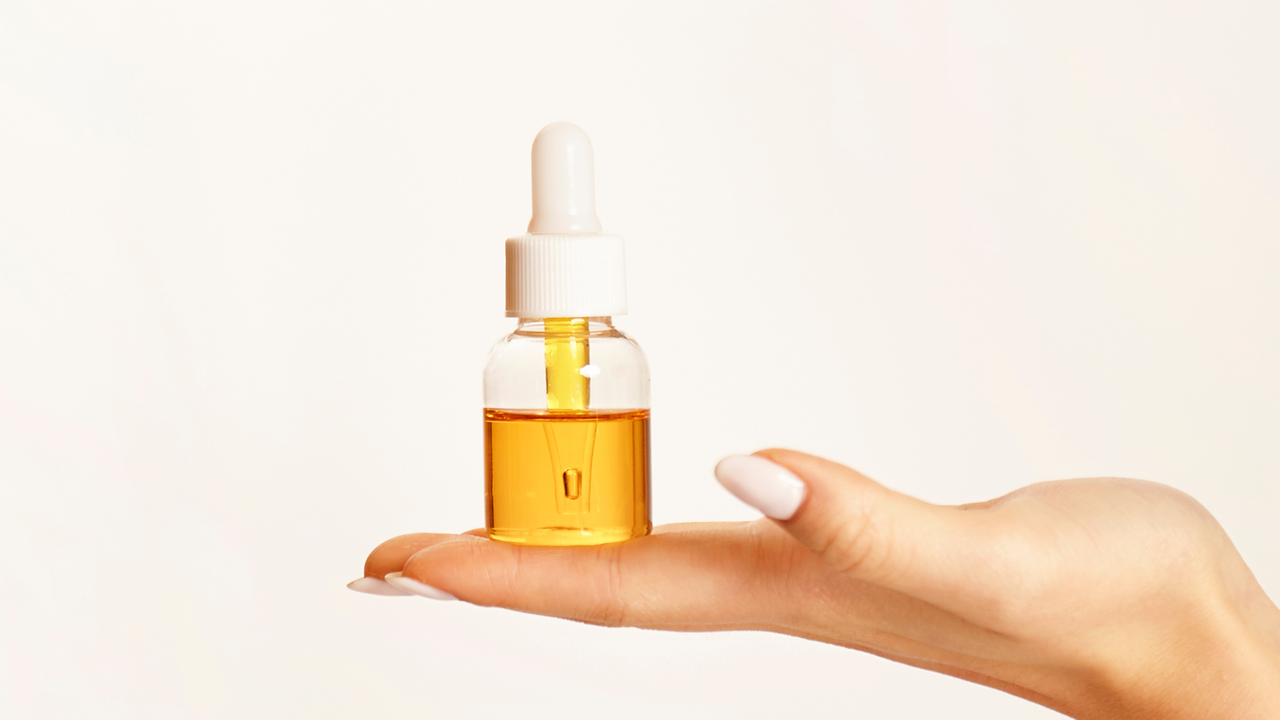
If you've browsed the skincare aisle recently, you've likely noticed hyaluronic acid featured prominently on serums, creams, and moisturizers. This ingredient has become a cornerstone of modern skincare—and for good reason. Understanding what hyaluronic acid is and how it works can help you make informed decisions about your skincare routine.
Hyaluronic acid (HA) is a naturally occurring substance found throughout the body, especially in the skin. HA is a type of molecule called a glycosaminoglycan that plays essential roles in keeping your skin healthy, hydrated, and youthful-looking.
Think of hyaluronic acid as your skin's natural moisture magnet. It can attract and hold up to 1,000 times its weight in water. In the skin, HA helps maintain hydration, supports structural integrity, and contributes to the plump, smooth appearance associated with youthful skin.
Natural HA production begins to decline as early as the mid-20s. This gradual decrease contributes to visible signs of aging, including dryness, fine lines, wrinkles, and reduced elasticity. Sun exposure, pollution, and other environmental factors can accelerate this process.
As HA levels fall, the skin loses some of its ability to retain moisture and maintain firmness. Topical hyaluronic acid products are designed to supplement this loss and restore hydration.
When you apply hyaluronic acid to your skin, it works in several beneficial ways:
Hydration: HA draws water into the outer layers of the skin, providing immediate hydration. This can soften the appearance of fine lines and improve overall smoothness.
Barrier support: Well-hydrated skin maintains a stronger protective barrier, making it more resilient against environmental stressors.
Anti-aging benefits: Research suggests HA may help support collagen and elastin production, proteins that maintain firmness and elasticity. Regular use of HA-containing products may also has been shown to improve texture, enhance elasticity, and reduce the appearance of wrinkles.
You may see products labeled as “low molecular weight” or “multi-molecular weight” hyaluronic acid. This refers to the size of the HA molecules:
High molecular weight HA sits primarily on the surface, forming a hydrating film that reduces water loss and provides immediate smoothing.
Low molecular weight HA consists of smaller molecules that can penetrate more deeply, delivering hydration within the skin.
Many dermatologists recommend products containing a combination of different molecular weights to provide both surface hydration and deeper skin benefits.
For best results, apply hyaluronic acid products to damp skin (e.g., immediately after showering or rinsing your face). This gives the HA moisture to bind to. Follow with a moisturizer to help seal in hydration, especially if you have dry skin.
HA works well with most other skincare ingredients and can be used both morning and night. It is available in serums, creams, gels, and lotions. Serums typically contain higher concentrations and are applied before moisturizer, while HA-containing moisturizers combine hydration and barrier support in one step.
Hyaluronic acid has an excellent safety profile. Because it is naturally present in the body, it is generally well tolerated with minimal risk of irritation or allergy. When reactions occur, they are usually mild and transient.
Because it contains the word “acid,” some assume hyaluronic acid behaves like exfoliating acids such as glycolic or salicylic acid. However, hyaluronic acid is not an exfoliant and does not disrupt the skin barrier. The term “acid” reflects its chemical structure, not its function. It is a hydrating molecule and is typically well tolerated, even in sensitive skin.
Important Considerations for Sensitive Skin: While hyaluronic acid itself is safe, many anti-aging and skincare products contain other ingredients, such as fragrances and preservatives, that may cause reactions in some people. Many products marketed as "hypoallergenic" still contain potential allergens. If you have sensitive skin or a history of allergic contact dermatitis, be sure to check with your dermatology provider before starting a new product. Also, be sure to check out ratings on www.SkinSAFEproducts.com. If you develop redness, itching, or a rash after using a hyaluronic acid product, the reaction is likely due to other ingredients in the formulation rather than the HA itself. Discontinue use and consult with your dermatologist, who may recommend patch testing to identify specific allergens.
How to Spot Hyaluronic Acid on Ingredient Lists
Hyaluronic acid may appear on labels as:
Hyaluronic acid
Sodium hyaluronate
Potassium hyaluronate
Sodium hyaluronate and potassium hyaluronate are the salt forms of hyaluronic acid. All three function as skin conditioning agents in cosmetic formulations and are considered equivalent in terms of safety and efficacy. You may also see variations that indicate molecular weight, though these aren't always explicitly labeled.
Hyaluronic Acid Products
A few of our favorite SkinSAFE 100-rated HA serums:
Moisturizers with HA that rate SkinSAFE 100:
Hyaluronic acid is a scientifically supported ingredient that improves hydration, texture, and overall skin appearance. While it does not stop aging, it can help skin look and feel healthier by replenishing moisture and supporting normal skin function.
Whether you are managing dryness, addressing early signs of aging, or maintaining healthy skin, hyaluronic acid offers a safe and effective option. For individuals with sensitive skin, choosing products with minimal additional ingredients can help maximize benefits while reducing the risk of irritation.
References:
Bukhari SNA, Roswandi NL, Waqas M, et al. Hyaluronic acid, a promising skin rejuvenating biomedicine: A review of recent updates and pre-clinical and clinical investigations on cosmetic and nutricosmetic effects. Int J Biol Macromol. 2018;120(Pt B):1682-1695. doi:10.1016/j.ijbiomac.2018.09.188
Bravo B, Correia P, Gonçalves Junior JE, Sant'Anna B, Kerob D. Benefits of topical hyaluronic acid for skin quality and signs of skin aging: From literature review to clinical evidence. Dermatol Ther. 2022;35(12):e15903. doi:10.1111/dth.15903
Zanchetta C, Scandolera A, Reynaud R. Hyaluronic Acid in Topical Applications: The Various Forms and Biological Effects of a Hero Molecule in the Cosmetics Industry. Biomolecules. 2025;15(12):1656. Published 2025 Nov 26. doi:10.3390/biom15121656
Fonacier L, Bernstein DI, Pacheco K, et al. Contact dermatitis: a practice parameter-update 2015. J Allergy Clin Immunol Pract. 2015;3(3 Suppl):S1-S39. doi:10.1016/j.jaip.2015.02.009
Sukakul T, Svedman C. What is New in Contact Allergy To Cosmetics for Physicians, Cosmetologists, and Cosmetic Users?. Curr Allergy Asthma Rep. 2025;25(1):48. Published 2025 Oct 24. doi:10.1007/s11882-025-01226-5