
















 Sign In to Access Account


 Allergen Filter
 Allergen Filter


 BY SKINSAFE MEDICAL EDITORIAL TEAM
 JUN 09, 2026
 0
0
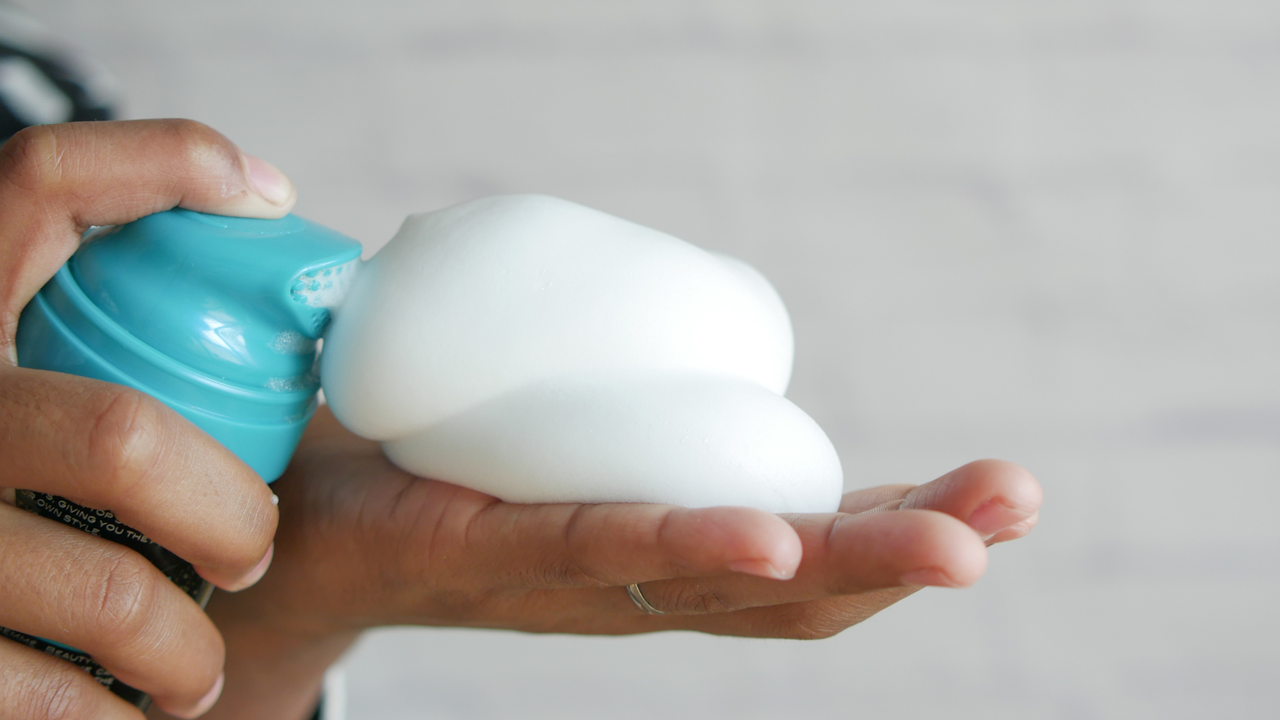
Treating acne can be frustrating enough on its own, but for people with sensitive skin, many acne products can leave the skin feeling dry, red, burning, or irritated. In some cases, harsh products can actually worsen inflammation and damage the skin barrier, making breakouts more difficult to manage over time.
The good news is that effective acne treatment does not have to be harsh. Choosing the right products and avoiding common irritants can help improve acne while keeping sensitive skin calm and comfortable.
What Makes an Acne Product “Sensitive Skin Friendly”?
Sensitive skin tends to react more easily to skincare products, especially those containing strong active ingredients, fragrances, or harsh exfoliants.
In general, acne products for sensitive skin should be:
Fragrance-free
Gentle on the skin barrier
Free of harsh scrubs or high alcohol content
Simple and easy to tolerate
Often, patients do better with fewer active ingredients and a simpler skincare routine.
Good Acne Products for Sensitive Skin
Gentle Cleansers
A gentle cleanser helps remove oil, sweat, and debris without stripping the skin barrier.
Look for:
Fragrance-free formulas
Cream or gentle foaming cleansers
Products labeled for sensitive skin
Avoid cleansers that leave the skin feeling tight, squeaky clean, or burning after use.
Example products:
Low-Strength Benzoyl Peroxide
Benzoyl peroxide can be very effective for inflammatory acne, but higher strengths are often unnecessarily irritating.
Sensitive skin usually tolerates:
4% benzoyl peroxide better than 10%
Wash-off formulations better than leave-on creams
Gradual introduction several times weekly
Lower strengths can often work just as well with less irritation.
Examples products:
Salicylic Acid
Salicylic acid can help unclog pores and reduce blackheads, but overuse may lead to dryness and irritation.
Patients with sensitive skin often tolerate:
Lower concentrations (0.5 - 1 % initially, then increasing to 2% as tolerated)
Wash-off formulations better than leave-on products
Limited use to oily or breakout-prone areas
Example products:
Adapalene
Adapalene is an over-the-counter retinoid that helps prevent clogged pores and treat acne over time.
To reduce irritation:
Start every other night
Use a pea-sized amount
Pair with moisturizer
Patients often tolerate adapalene better when introduced slowly.
Non-Comedogenic Moisturizers
Moisturizers are an important part of acne care, especially for sensitive skin.
Helpful ingredients may include:
Ceramides
Glycerin
Hyaluronic acid
A good moisturizer can help reduce dryness and improve tolerance to acne medications.
Example products:
Mineral Sunscreens
Many acne treatments increase sun sensitivity. Mineral sunscreens are often better tolerated by sensitive skin.
Look for:
Zinc oxide
Titanium dioxide
Fragrance-free formulas
Daily sunscreen use may also help prevent dark spots after acne heals.
See our article, "Sunscreen for the Sensitive: Physical vs Chemical Filters and Common Allergens in SPF" for suggestions!
Acne Products That Often Irritate Sensitive Skin
Harsh Scrubs: physical scrubs containing rough particles can create irritation and worsen inflammation.
Avoid:
Apricot scrubs
Aggressive exfoliating beads
Rough cleansing brushes
Scrubbing harder does not clear acne faster.
Alcohol-Based Toners
Many toners marketed for acne contain high amounts of alcohol that can excessively dry the skin barrier.
Fragranced Products
Fragrance is a common trigger for irritation and allergic reactions, particularly in people with sensitive skin.
This includes:
Added perfumes
Essential oils
Strong botanical scents
Fragrance-free products are often the safest option.
Overusing Acne Treatments
Even good acne products can become irritating if used too aggressively.
Common mistakes include:
Applying treatments multiple times daily
Using several acne medications at once
Exfoliating too frequently
Starting strong products too quickly
When treating sensitive skin, slow and steady is often more effective.
A Simple Sensitive Skin Acne Routine
For many patients, a basic routine works best:
Morning
Gentle cleanser
Moisturizer
Sunscreen
Evening
Gentle cleanser
Acne treatment (2-3 nights weekly for the first month, then increase to nightly as tolerated)
Moisturizer
Consistency is often more important than using multiple strong products.
The Bottom Line
Having sensitive skin does not mean you have to avoid acne treatment altogether. The key is choosing gentle, fragrance-free products and introducing active ingredients gradually.
In many cases, patients see better long-term results when they focus on protecting their skin barrier rather than using the strongest products possible.